

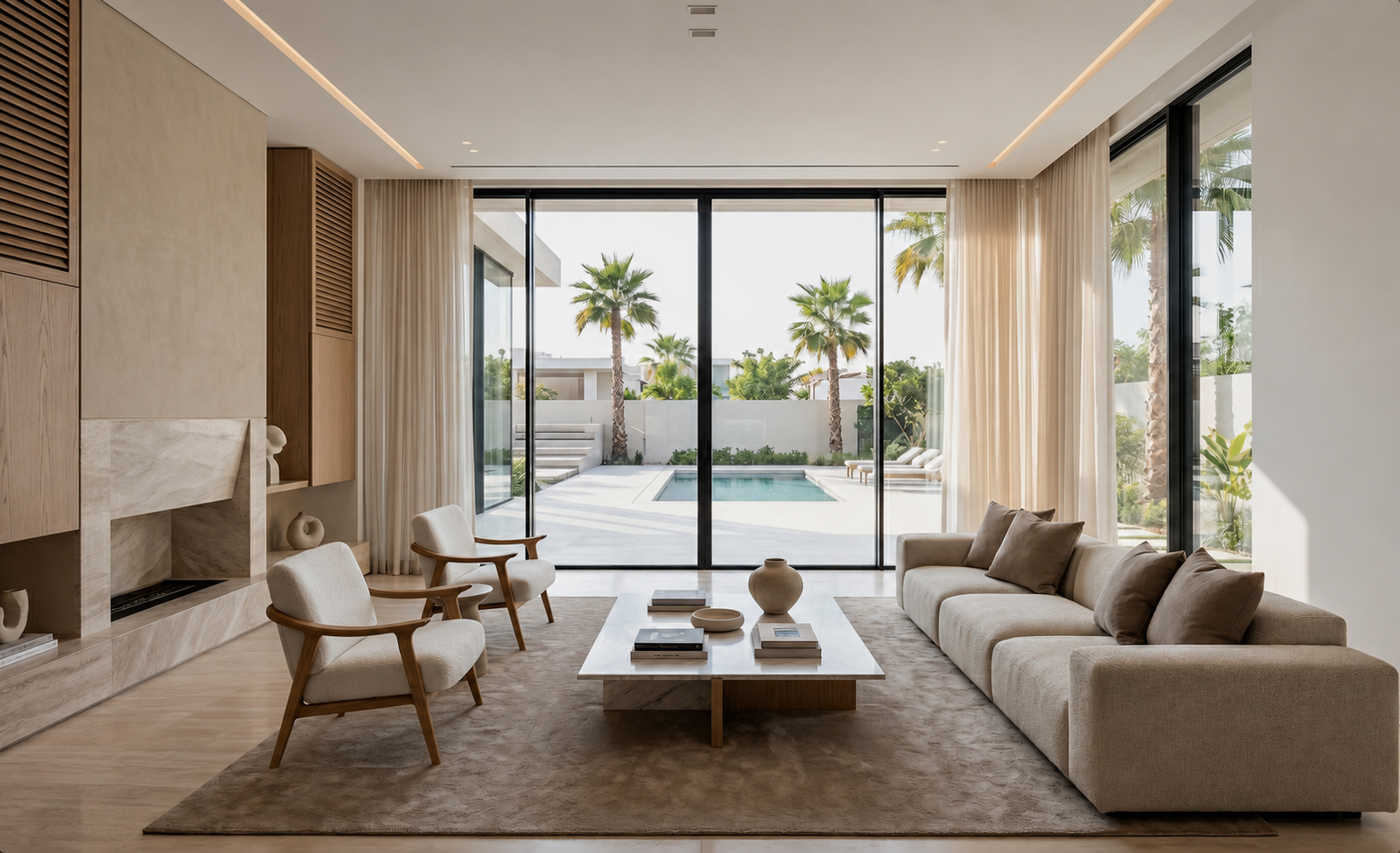
Choosing between aluminium and uPVC windows affects comfort, energy efficiency, noise levels, security and the look of your property. Both materials are popular for new builds and renovations, and both can perform well when the whole window is specified and installed properly.
Aluminium is known for strength, slim profiles and the ability to carry large glass panels. uPVC is valued for natural frame insulation, low maintenance and affordability. Which is better depends on your building design, budget and local climate, whether that means strong Mediterranean sun, cold northern winters or coastal weather.
This guide compares aluminium versus uPVC on their pros and cons, performance, cost, frame design and sliding systems, and explains what to compare beyond the frame material.
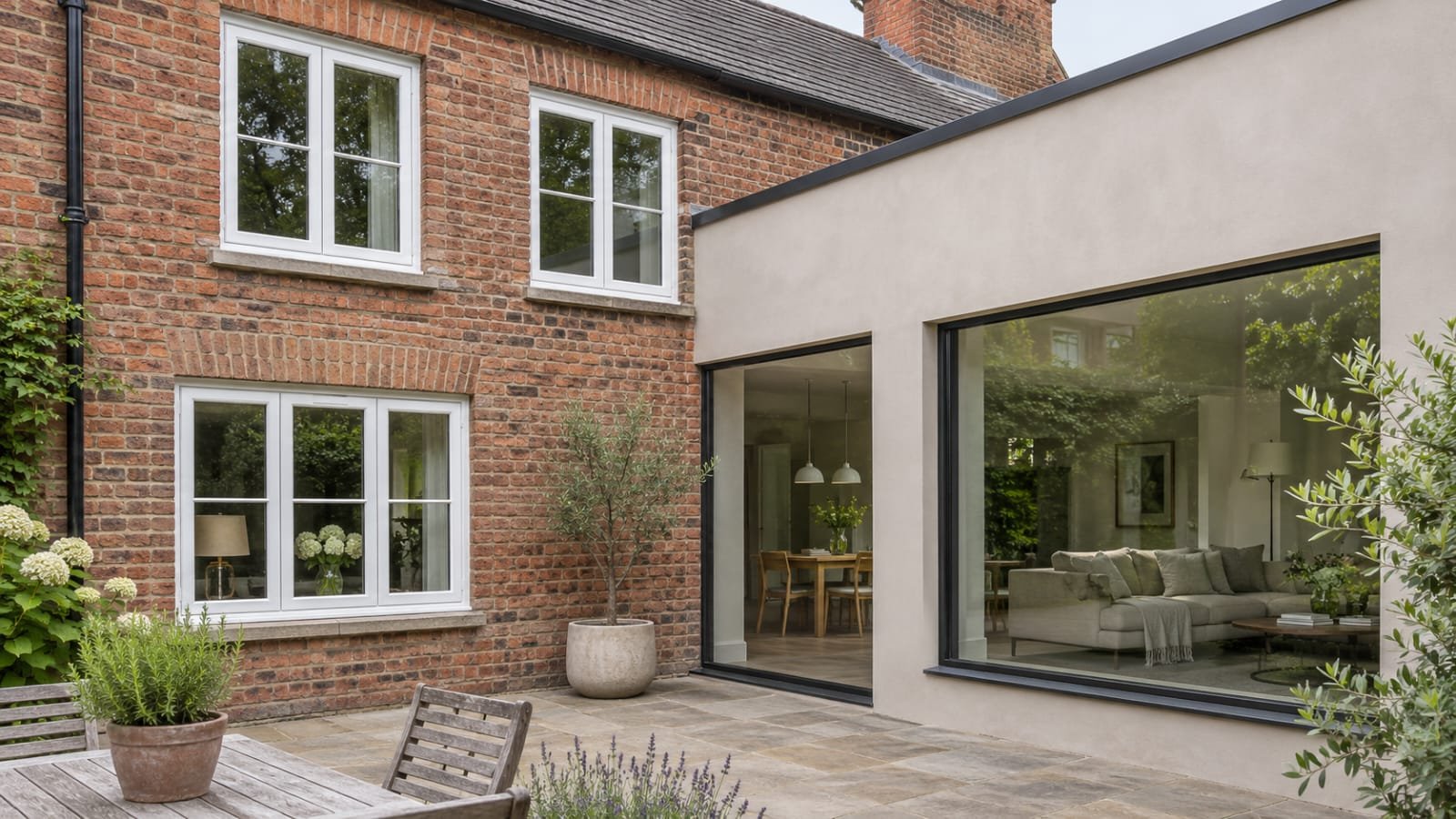
Aluminium vs uPVC Windows: What Is the Main Difference?
The main difference is the frame material and how it behaves.
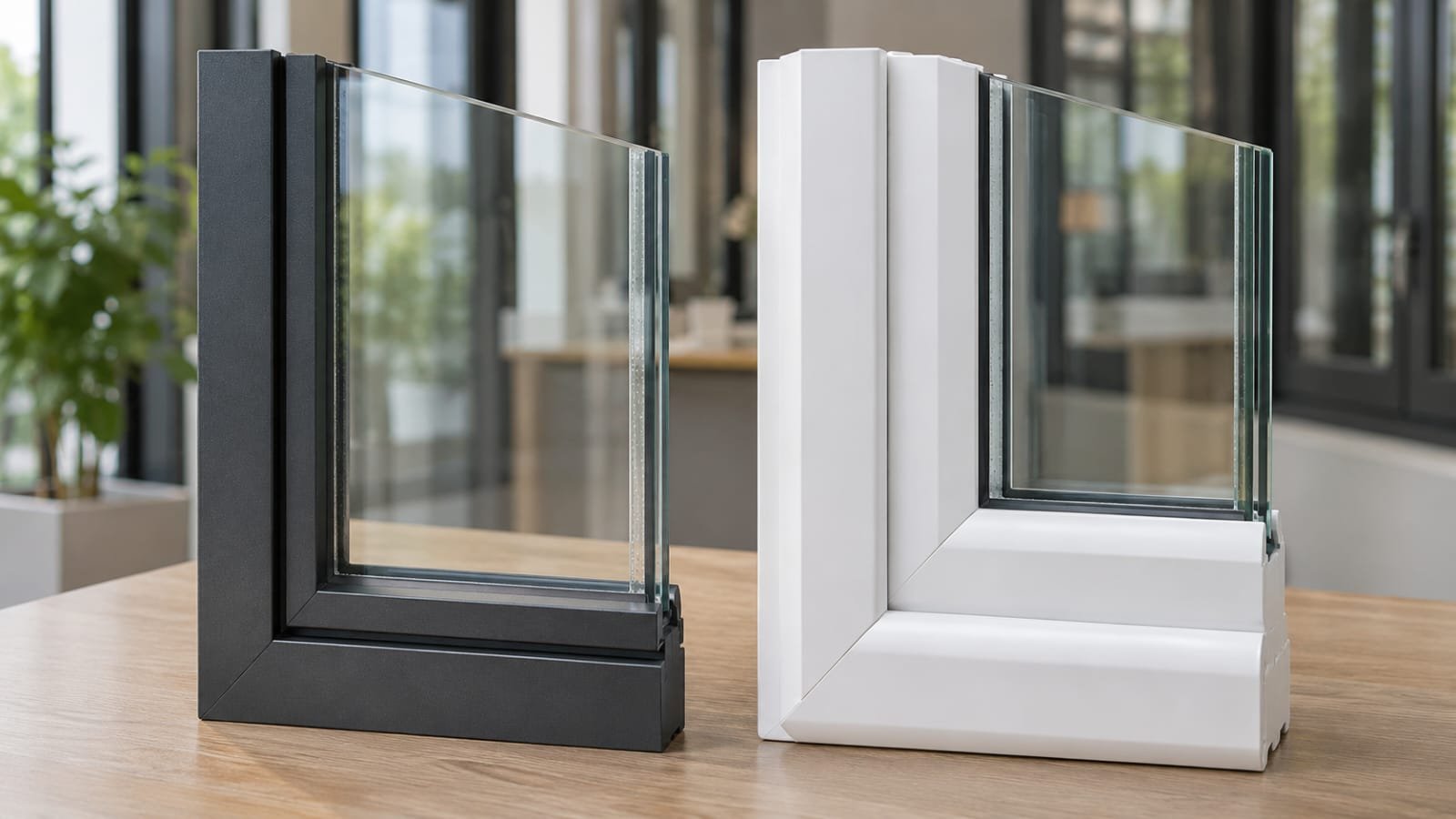
- Aluminium frames are made from lightweight, strong aluminium profiles. They suit modern architecture, large glass openings, minimal-frame designs and contemporary sliding systems.
- uPVC frames are made from unplasticised polyvinyl chloride, a material with naturally low thermal conductivity. Their multi-chambered construction helps limit heat transfer through the frame.
In short, aluminium is best known for structural strength, slim sightlines and large glazing areas, while uPVC is known for natural insulation, low maintenance and cost-effective residential solutions. The best option depends on the building, the performance you need and the budget.
Pros and Cons of Aluminium Windows
Aluminium windows are widely used in houses, apartments, hotels and commercial buildings because of their strength and design flexibility.
Advantages of Aluminium Windows
- Strong, durable frames. Aluminium is structurally strong while remaining relatively light, which suits large windows where frame stability matters.
- Slim, minimal profiles. Narrow sightlines let in more daylight and give a clean, modern look.
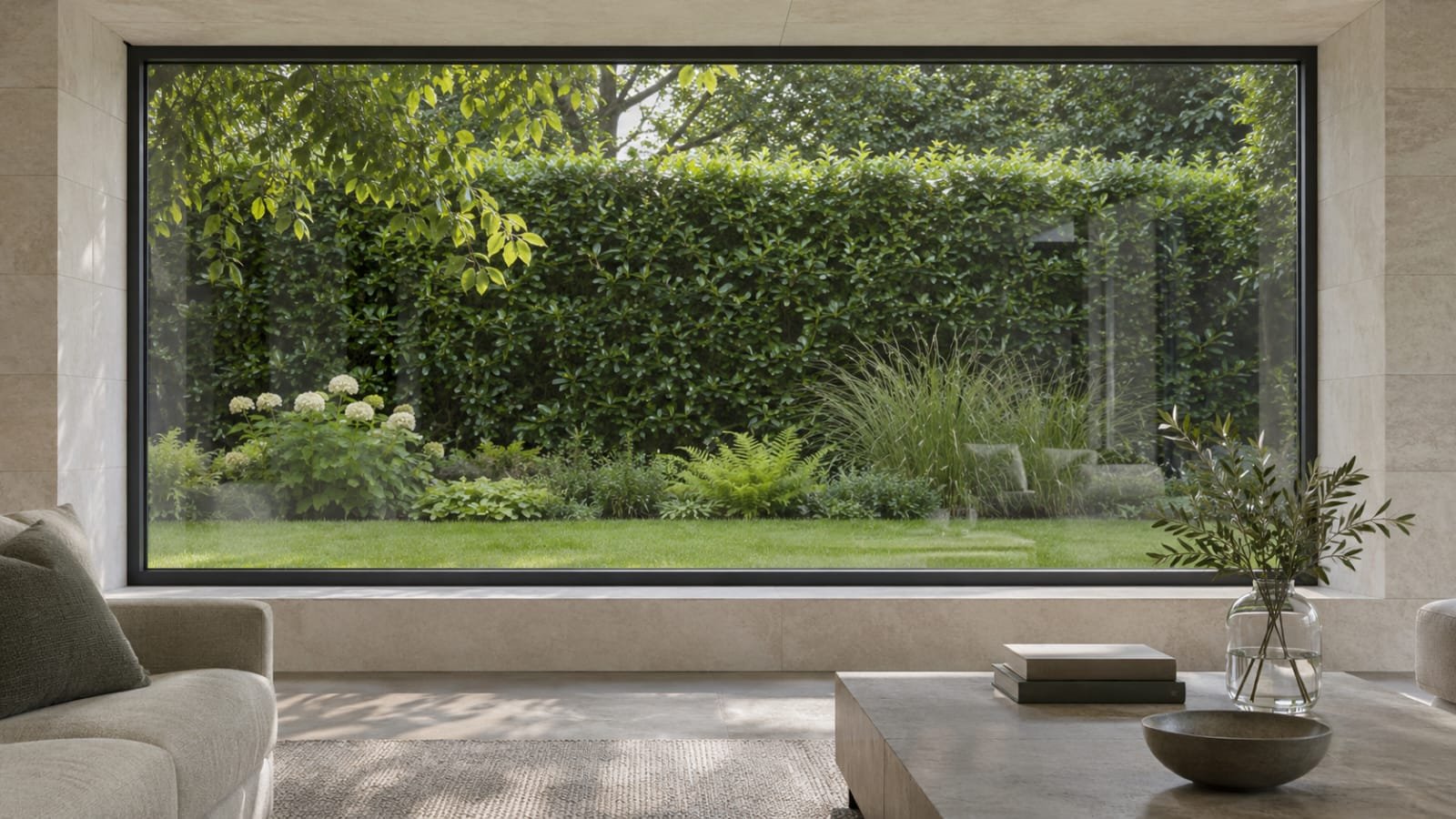
- Suited to large glass openings. Aluminium can carry larger panels than many standard systems, making it a common choice for panoramic and floor-to-ceiling glazing.
- Wide range of finishes. Powder-coated colours, anodised surfaces, metallic finishes and custom colours are available.
- Thermal break technology. Thermally broken aluminium windows place an insulating barrier between the inner and outer parts of the profile, reducing heat transfer.
- Low maintenance. Quality frames do not need regular painting. Routine cleaning and checks of hardware and seals are usually enough.
Limitations of Aluminium Windows
- Aluminium conducts heat, so thermal breaks matter for insulation.
- Premium systems often cost more than standard uPVC.
- Performance depends on profile quality, glazing, seals, hardware and installation.
- Lower-quality surface finishes can deteriorate over time.
Pros and Cons of uPVC Windows
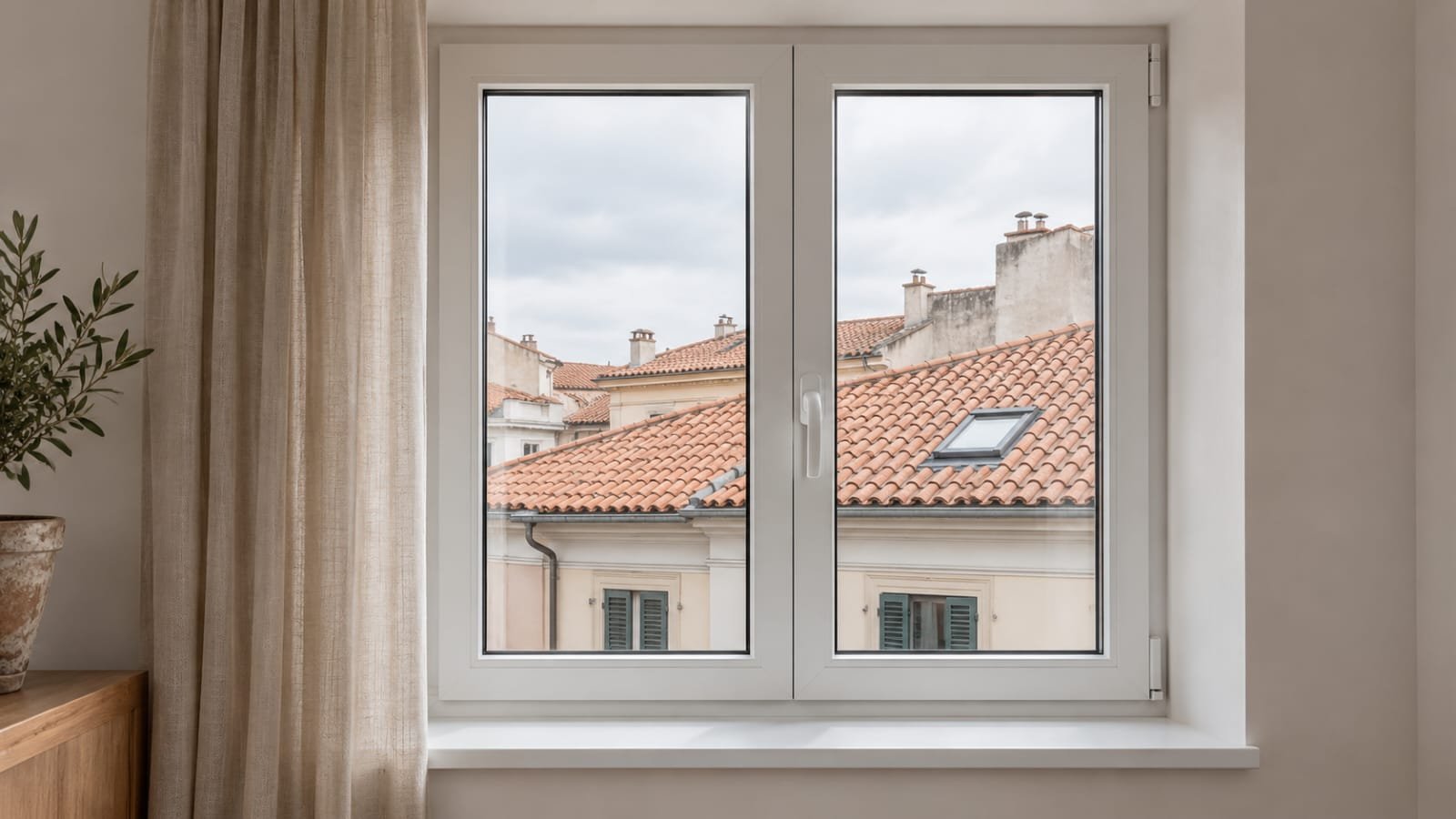
uPVC windows are a popular residential option, with insulation and easy upkeep as their main attractions.
Advantages of uPVC Windows
- Natural thermal insulation. uPVC has low thermal conductivity, which helps limit heat transfer through the frame.
- Low maintenance. The frames do not need painting or polishing, and cleaning is usually simple.
- Moisture resistance. uPVC does not rust or rot.
- Budget-friendly options. Standard uPVC systems are often more affordable than premium aluminium, depending on specification.
Limitations of uPVC Windows
- Frame profiles are generally wider than slim aluminium ones.
- Very large glass openings may need specially engineered, reinforced systems.
- Colour and finish choices vary between manufacturers.
- Material quality and UV resistance matter where frames face prolonged strong sunlight.
- Low-quality profiles and hardware can affect long-term performance.
Which Is Better: Aluminium or uPVC?
There is no universal winner. Both can perform well, and the right choice depends on the project.
Aluminium may suit you better if you want:
- Large glass panels and panoramic views
- Slim, minimal frames
- Contemporary architecture
- Wide sliding windows and doors
- Custom colours and finishes
- Thermally broken systems for improved insulation
uPVC may suit you better if you want:
- Naturally insulating frames
- Standard residential window designs
- A cost-conscious solution
- Very low maintenance
In most climates, the deciding factor is the complete window specification (glazing, thermal breaks, seals and installation) rather than the frame material alone.
Aluminium vs uPVC: Features and Performance
The table shows typical characteristics. Actual results vary by manufacturer and system.
| Feature | Aluminium windows | uPVC windows |
| Frame strength | High structural strength | Depends on profile and steel reinforcement |
| Thermal insulation (frame) | Good with thermal break technology | Naturally low conductivity |
| Sound insulation | Depends on glazing, seals and installation | Depends on glazing, seals and installation |
| Frame appearance | Slim and contemporary | Generally wider |
| Large glass panels | Highly suitable | Depends on system design |
| Maintenance | Low | Very low |
| Moisture resistance | Good with suitable finishes | Excellent |
| Colours and finishes | Wide range | Varies by manufacturer |
| Initial cost | Often higher for premium systems | Often lower for standard systems |
| Design flexibility | Excellent for modern glazing | Suitable for many standard designs |
Note: Noise reduction in particular comes mainly from the glass build-up and the quality of seals and installation, not from the frame material. Compare like-for-like specifications rather than assuming either material is quieter.
What to Compare Beyond the Frame Material
Two windows with the same frame material can perform very differently. When reading product data, look at these figures for the whole window, not just the glass or the frame:
- U-value (whole-window). Measures how much heat passes through the window. A lower U-value means better insulation. A whole-window U-value accounts for the frame, the glass and the spacer together, so it is more meaningful than a glass-only figure.
- Solar heat gain (g-value or SHGC). Shows how much of the sun’s heat passes through the glass. A lower value reduces heat gain, which is valuable for sun-exposed or south- and west-facing openings. Solar-control and Low-E coatings affect this figure.
- Acoustic rating (such as Rw). Describes how much sound the window reduces. It depends on glass thickness, laminated layers, cavity widths, seals and installation. Ask for tested data for the specific system rather than relying on material claims.
Also check air and water tightness, wind resistance and the warranty. Asking for the same figures from each supplier makes comparison straightforward.
Aluminium vs uPVC Windows in European Climates
Europe covers very different conditions, so the right specification depends on where you live.
Southern Europe: Sun and Heat
In Spain, Italy, Greece, Portugal and along the Mediterranean coast, strong sun is the main concern. Look at the solar heat gain (g-value) of the glass, and choose solar-control or Low-E glazing for south- and west-facing openings. Aluminium is popular here for large, shaded glazing. Where uPVC is chosen, check its UV resistance and colour stability under prolonged strong sunlight. Near the sea, ask which finishes and hardware suit coastal air.
Central and Northern Europe: Cold, Rain and Wind
In Germany, the Netherlands, the UK and Scandinavia, heat loss, rain and wind matter more. uPVC is very common here thanks to its natural frame insulation, while thermally broken aluminium with double or triple glazing can reach high thermal performance too. Compare whole-window U-values, and check seals, drainage and wind resistance.
Energy Requirements and U-Values
Energy rules differ widely between countries. Ask for the whole-window U-value of each option and check that it meets the requirements that apply to your building.
Approvals and Planning Rules
Rules differ by country, region and municipality. Extra checks may apply in conservation areas, listed buildings or apartment blocks with an owners’ association, which can restrict frame material, colour or profile. Confirm the requirements before ordering.
Cost and Pricing: How to Compare Aluminium and uPVC
Standard uPVC windows usually have a lower initial price than premium aluminium systems. But aluminium offers different possibilities, such as slim profiles, larger panels and advanced sliding configurations, so price alone is not the whole comparison. Prices vary by manufacturer, system, glass and project, so there is no single figure to quote.
What Drives the Price
- Frame quality and specification: Profile thickness, reinforcement and manufacturing standards.
- Glass type: Double or triple glazing, Low-E, laminated safety and solar-control glass all differ in cost and performance.
- Window size and design: Large panels, custom shapes and special opening mechanisms need more engineering.
- Thermal break technology: Thermally broken aluminium costs more than basic profiles.
- Hardware and accessories: Handles, hinges, locks, rollers, seals and optional automation.
- Installation: Measurement, fitting, sealing and finishing are essential to long-term performance.
Quotation Checklist
To compare quotes fairly, ask each supplier to price the same:
- Window dimensions
- Glass type and thickness
- Opening style
- Frame specification, including thermal break where relevant
- Hardware and locking system
- Installation and finishing scope
- Whole-window U-value and acoustic data, if performance matters
This shows the real value of each system rather than just the lowest headline price.
Window Frame Comparison: Strength, Design and Insulation
Aluminium and uPVC frames differ in construction, appearance and structural behaviour.
Aluminium frames are very rigid, which suits large openings, minimal sightlines and expansive glazing. Architects can show more glass and less frame.
uPVC frames use multi-chambered profiles to support thermal insulation, and many include internal reinforcement for stability.
Whatever your climate, also consider:
- Resistance to heat and UV exposure
- Thermal performance of the complete window
- Air and water tightness
- Wind resistance
- Glass specification
- Quality of installation and sealing
A well-designed thermally broken aluminium system with high-performance glazing can balance modern aesthetics with comfort.
Aluminium vs uPVC Sliding Windows
Both materials are available as sliding systems, but their design possibilities differ.
Aluminium sliding windows combine slim profiles with the ability to carry large panels. Typical advantages include slim sightlines, generous daylight, smooth operation with quality rollers, modern finishes, space-saving horizontal opening, and options for thermally broken profiles and high-performance glazing. They suit houses, apartments and properties with balconies, terraces or gardens.
uPVC sliding windows suit homeowners who prioritise insulation and affordability. They offer a naturally insulating frame, low maintenance, various residential configurations and cost-effective options for standard openings.
Which to choose? For larger glass panels, slimmer frames and a contemporary look, aluminium is often the better fit. For a standard residential system with a lower initial cost, uPVC is worth considering. Opening size, glazing, performance targets and architectural design should decide.
Why Thermally Broken Aluminium Windows Matter
Aluminium conducts heat. Without a thermal barrier, heat can pass through the frame and affect indoor comfort. Thermally broken aluminium windows use an insulating material between the interior and exterior sections of the profile to reduce that transfer.
Combined with suitable glazing, weather seals and professional installation, thermally broken systems can support:
- Better thermal performance
- More stable indoor temperatures
- Less unwanted heat transfer
- Greater comfort
- More effective building-envelope performance
Glass matters just as much. Low-E coatings, solar-control glass and double glazing help manage solar heat gain and heat loss and improve overall performance.
Choosing the Right Aluminium Window Style
Once you choose aluminium, the next decision is the configuration.
- Minimal sliding windows: Slim sightlines and expansive glazing for uninterrupted views and daylight.
- Fixed windows: Do not open. They maximise glass area and give clear views with a clean appearance.
- Awning windows: Top-hung and opening outward, they give controlled ventilation and combine well with fixed glazing.
- Casement windows: Side-hinged and opening outward, they provide ventilation and suit residential and commercial designs.
The right system depends on ventilation needs, opening size, building design and how each space is used.
Aluminium vs uPVC Windows FAQs
Which Is Better, Aluminium or uPVC Windows?
Aluminium suits modern architecture, large glass panels and slim frames. uPVC is often chosen for natural insulation and affordability. The best choice depends on your building requirements, performance needs and budget.
Are Aluminium Windows More Expensive Than uPVC?
Premium aluminium systems generally cost more initially than standard uPVC windows. The final price depends on the profile, glass, hardware, window size and installation.
Which Gives Better Thermal Insulation?
uPVC naturally has low thermal conductivity. Thermally broken aluminium combined with suitable glazing can also deliver strong performance. Compare whole-window U-values rather than frame material alone.
Are Aluminium Windows Suitable for European Climates?
Yes, when the system has suitable thermal breaks, glazing, weather seals and finishes for your region, from hot Mediterranean sun to cold, wet northern winters. Product specifications and installation quality matter. Solar-control glass helps where windows face strong sunlight, and triple glazing can make sense in colder areas.
Which Is Better for Noise Reduction?
Neither material is inherently quieter. Noise reduction depends mainly on the acoustic glazing, the quality of seals and the installation. Ask for tested acoustic ratings for the specific system.
Do Aluminium Windows Need a Lot of Maintenance?
No. Quality aluminium windows generally need little upkeep. Regular cleaning and periodic checks of seals, tracks, rollers and hardware keep them working well.
Are Aluminium Sliding Windows Better Than uPVC Sliding Windows?
Aluminium sliding windows are often preferred for slim profiles, larger panels and contemporary designs. uPVC sliding windows can be a practical choice for standard openings where insulation and cost are the priorities.
Can Aluminium and uPVC Windows Be Used in the Same Property?
Yes. Different materials can be used in different areas, as long as each system meets the design, performance and appearance requirements.
Final Thoughts on Choosing Between Aluminium and uPVC Windows
Ultimately, the choice between aluminium and uPVC comes down to priorities, style, budget and climate. uPVC offers natural insulation, low maintenance and cost-effective options for many homes. Aluminium offers strength, slim profiles, modern finishes and flexibility for large glass openings.
For projects with large glazed areas or strong sun exposure, thermally broken aluminium with suitable glazing is an excellent option. Whichever you choose, compare complete specifications, including profiles, glazing, U-values, seals, hardware and installation, rather than the frame material alone.
Ready to Choose Your Windows?
Whether you are planning a new build, a renovation or a larger development, list the window sizes, opening styles and performance targets you need, then request written quotations from qualified local suppliers using the same specification. Ask each one for whole-window U-values, acoustic data and warranty terms, so you can compare options fairly.